
It’s 2:15 on a Tuesday. You’re under a sink, behind the counter, or with another customer, and your phone buzzes. You don’t recognize the number, so you let it go. By the time you check it, there’s no voicemail. Most customers prefer texting today, and that caller didn’t wait for you to call back. They called the next business on Google.
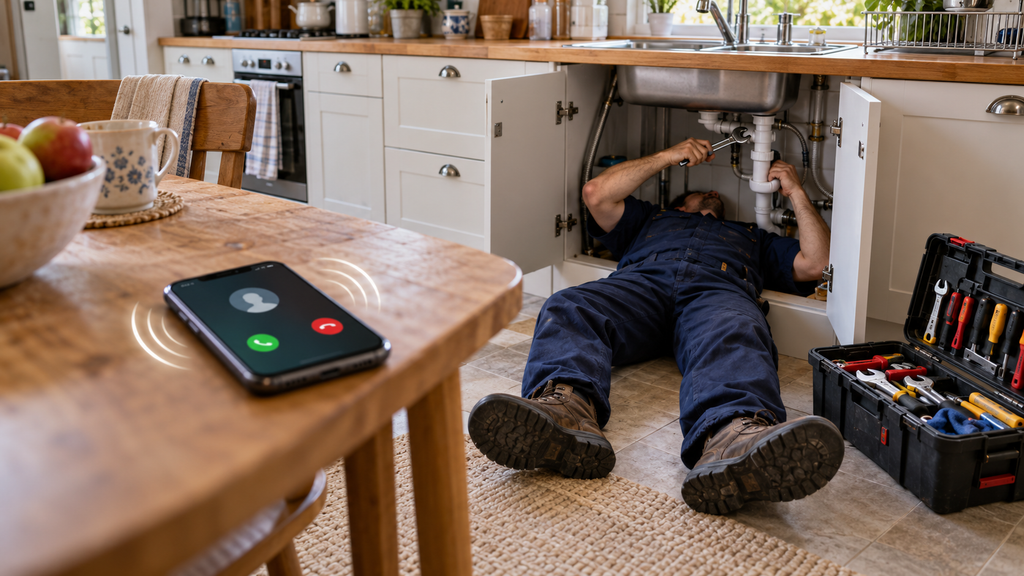
That one call may have been your best prospect of the week. Sales trainer Chet Holmes taught that only about 3% of your market is ready to buy right now. When your phone rings, that’s often who’s calling. Miss them, and you’ve handed a ready buyer to the business down the street.
That happens to Las Vegas business owners every day, and most never know it. Here’s the thing I’ve learned in 40 years of sales: the customer who reaches out is ready to talk. The question is how they want to talk, and how fast they expect you to answer.
Do Your Customers Prefer Texting Over Calling?
More and more, yes. In EZ Texting’s 2025 consumer survey, 52% of consumers said they text businesses, up from 31% the year before. And a Harris Poll found that 64% of people who can text would rather use texting than a phone call for customer service.
Think about why. A text fits into a busy day. Your customer can read it in line at the grocery store, answer it between meetings, and look back at it later. They don’t have to stop everything to take a call.
How Fast Do You Need to Answer?
Faster than most owners think. A Harvard Business Review study of more than a million sales leads found that businesses that reached out within an hour were nearly 7 times more likely to have a real conversation with the customer than those that waited just one more hour. Wait a full day, and the odds dropped more than 60 times.
Other research led by the same professor found that reaching someone in 5 minutes instead of 30 made it about 21 times more likely they’d become a serious prospect.
In plain words: the first business to answer usually gets the first shot at the sale. Five minutes isn’t fast. It’s expected.
I wrote more about this in Why Won’t Your Customers Wait Anymore.
What Happens When You Miss the Call?
Most of the time, nothing you’ll ever see. CallRail’s 2025 data shows only 42% of callers who don’t get through leave a voicemail, and 21% call another business right away.
So voicemail isn’t the safety net it used to be. Many of those callers just quietly become someone else’s customer, and you never even know their name.
So Should You Call Back or Text Back?
The best answer is both, and fast. When a customer calls, they want to be heard right then. Afterward, because customers prefer texting, a quick text gives them something in writing.
Here’s what that can look like:
- Every call gets answered, even when you’re busy or after hours.
- Right after the call, the customer gets a friendly text with the next step, like a link to book a time.
- You get a short summary of who called and what they need, so you can follow up personally.
You don’t have to do all of that yourself. An automated system can handle the answering and the first text, so customers don’t slip through the cracks while you’re running your business.
Is Your Business Ready to Answer the Way Customers Want?
Customers prefer texting more every year, and yours are already reaching out. The only question is whether they hear back from you first, or from someone else.
If you’d like to see where your business might be losing calls and leads, start with a free Business Growth Review. We’ll look at how customers reach you today and show you simple ways to answer faster, by phone and by text.
Get Your Free Business Growth Review
James Johnson is the Director of Emerging Growth Systems in Las Vegas. An Army veteran with more than 40 years in sales, he helps local businesses capture leads, respond quickly, and follow up consistently.